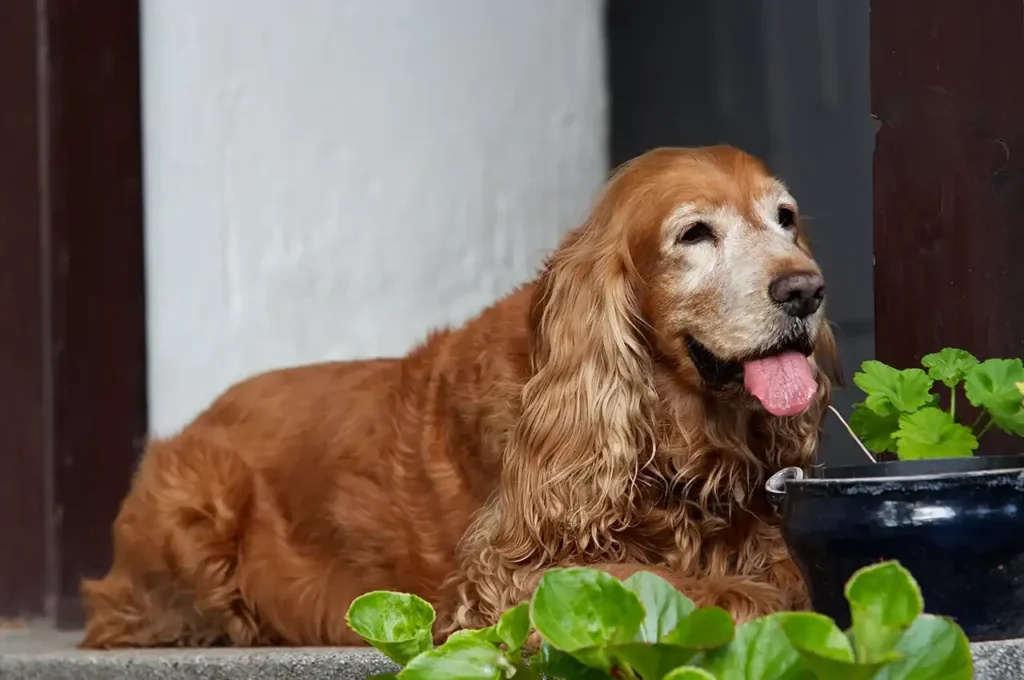
Your dog slowed down somewhere along the way. The walks got shorter. Standing up takes an extra second. The bowl that used to empty in ten seconds now sits half full.
This is the season where food matters most. A senior dog has different needs than the pup you brought home years ago. The right raw meals can support sore joints, go down easier on tired teeth, and tempt a picky appetite back to the bowl.
We feed and deliver raw food to dogs all over London, Ontario, and these senior questions come up every week. Here is what works, why it works, and which products to reach for.
What Changes When Your Dog Gets Older
Most dogs become seniors around age seven. Large breeds get there sooner. Small breeds hold their puppy spark a little longer.
A few things shift at once. Metabolism slows, so weight creeps on when portions stay the same. Muscle mass drops, which puts more load on the joints. Teeth wear down or turn sore. The sense of smell fades, and since smell drives appetite in dogs, meals start to seem less exciting.
The American Kennel Club notes that older dogs often need higher quality protein than younger adults, not less. They also absorb nutrients less efficiently, so every bite has to earn its place. That is the case for raw. Fresh meat, organ, and bone give your dog real nutrition in a form their body knows how to use.
That does not mean raw feeding stops being a good option. It means the feeding plan should become more intentional. Senior dogs usually benefit from a routine that emphasizes digestibility, measured portions, body-condition awareness, and easy meal handling.
How Raw Food Supports Aging Joints
Stiff joints are the number one thing senior owners ask us about. Food will not cure arthritis. Good food supports the body around the joint, and that often shows up as a dog who moves more freely.
Here is what to feed for it.
Quality protein keeps muscle on the frame. Muscle protects joints. The more lean muscle your dog holds, the better their body carries itself. Easy-to-digest meals built on clean proteins do the heavy lifting. Pure Turkey is light and lean. RP Pure Duck gives you a novel protein for dogs who have eaten chicken their whole lives. RP Gourmet Lamb brings a richer option for seniors who need help holding weight.
Omega-3s calm inflammation. EPA and DHA are the two omega-3s with real research behind them. They support joints, the heart, the skin, and the aging brain. Oily fish is a natural source, and our RP Pure Salmon slots into a rotation two or three times a week.
Whole-food joint nutrients matter. Cartilage, connective tissue, and shellfish carry the building blocks joints rely on, things like glucosamine, chondroitin, and collagen. Raw feeding delivers them in real-food form. We cover the targeted supplements for this further down.
For the food base itself, soft ground blends are the senior sweet spot. Premium Pure Chicken and Premium Pure Pork give balanced, finely ground meals that ask almost nothing of the teeth. Browse the full Dog Food range to build a rotation around them.
The Senior Joint Support Shelf
Some seniors do well on food alone. Others need a targeted boost. These add-ons mix right into a meal, and a few of them are made here in Ontario.
- Green Lipped Mussel Superfood by North Hound Life. This New Zealand shellfish powder is one of nature’s best joint foods. It carries glucosamine, chondroitin, omega-3s, and a rare compound called ETA. The AKC notes it is safe for dogs of any age and well tolerated. Hand-packed in Muskoka.
- Collagen Peptides by North Hound Life. Grass-fed bovine collagen supports cartilage, connective tissue, skin, and coat. A small daily scoop stirs into the bowl.
- Jump For Joynts by Adored Beast. A liquid 4-way mobility support for joints, ligaments, tendons, and muscle. It skips MSM, which some dogs react to.
- K9 Easy Joints Oral Drops. Liquid joint drops you add to a meal, an easy option for a senior who turns up their nose at powders.
Mix and match based on your dog. A green-lipped mussel powder plus an omega-3 oil is a solid, simple starting pair.
Omega-3 Oils for Joints, Skin, and Brain
Omega-3s deserve their own line item. They work on the joints, and they also support the aging brain, the heart, and a dull senior coat.
Potent-Sea Omega 3 EPA & DHA by Adored Beast is a concentrated algae oil. It is grown on land, free from heavy metals, and kind to the oceans. A good pick for households that want a clean, plant-source omega.
Waspu Seal Oil is a marine oil rich in omega-3s. Many dogs find it very palatable, which helps double it as an appetite nudge on fussy days.
Pick one oil and add it daily. Pair it with the salmon meals above and your senior gets omega-3s from more than one source.
Easier-to-Chew Meals for Senior Mouths
Old teeth get sore. Some seniors lose a few. A dog who wants to eat but hurts while chewing will walk away from the bowl. You might read that as a lost appetite when it is really a mouth problem.
Raw food has a quiet advantage here. It comes in soft, ground textures that ask almost nothing of the teeth.
Ground blends are the gentlest route. The meat, organ, and bone are already broken down fine, so your dog laps the meal up instead of working at it. Premium Pure Beef and Beef Chicken Blend are smooth, no-fuss choices.
A few small moves make any meal kinder on a senior mouth:
- Serve it cool, not cold. Let the food sit out a few minutes after thawing. Room temperature is easier on sensitive teeth and smells stronger, which helps appetite too.
- Add warm bone broth. A splash of warmed Boneyard Bone Broth softens the texture and turns dinner into something close to a stew. It brings collagen and moisture along for the ride.
- Mash and mix. Press the food with a fork so there are no firm pieces to navigate.
- Skip the hard chews. Save dense bones and antlers for dogs with strong teeth. Softer options are the safer call for a senior.
Sore gums need attention beyond the bowl. Read our notes on dental care and have your vet check your dog’s mouth at the next visit.
Appetite Tips for the Picky Senior
A senior who picks at food is one of the more stressful things to watch. Before you worry about the diet, rule out the simple causes. Sore teeth, nausea, and a faded sense of smell are common. A vet visit clears the medical side. The feeding side is where you have real room to help.
Smell is the lever. Dogs decide what to eat with their nose first. Anything that lifts the aroma tends to bring the appetite back.
Warm the meal. Gentle heat releases scent. A bowl that smells like dinner gets eaten.
Use a tempting topper. A few extras on top can flip a no into a clean bowl. Warm bone broth works. So does a spoon of fermented goat milk. Crosswind Farms Kefir Goat Milk pours over a meal and adds gut-friendly cultures. The Kefir with Pumpkin version folds in pumpkin, which is gentle on senior digestion.
Feed smaller meals more often. Two or three smaller servings feel less daunting to an older dog than one big bowl.
Rotate the proteins. A dog bored of turkey might dive straight into duck, lamb, or salmon. Variety keeps mealtime interesting. A variety case makes rotation easy, like the RP Classic Case or the RP Supreme Case.
One caution. A sudden, lasting drop in appetite is a reason to call your vet, not a problem to fix with toppers alone. Toppers help a fussy eater. They do not fix an underlying illness.
When the Gut Needs a Hand
Digestion gets touchier with age. A settled gut means a more comfortable dog and a steadier appetite, so gut support pulls double duty for seniors.
A few options stir right into a meal:
- Bifido For Fido for daily gut health.
- FurBabies PawBiotics+, a species-appropriate probiotic built for the canine gut.
- Gut Soothe for a sensitive stomach that needs calming.
- Healthy Gut for broader digestive support.
Start one at a time so you can see what helps. Introduce it slowly, the same way you would any new food.
How to Transition a Senior Dog to Raw, Safely
Older dogs have spent years on one diet. Their gut is used to it. That means a slow switch, slower than you would do for a young adult.
Plan for ten days to a month. Start by adding a small amount of raw to the current food. Increase the raw a little every few days while you lower the old food. Watch the stool the whole way. Loose stool means slow down and hold steady before adding more.
A few extras smooth the change. A probiotic or a little pumpkin in the first week settles the gut. Bone broth makes the new food inviting from day one.
If your senior has a health condition, kidney issues, a sensitive stomach, or a history of pancreatitis, talk with your vet before you start. Raw suits many seniors with health concerns. Your vet knows the full picture.
We walk new raw feeders through every step. Our guide to transitioning to raw food lays out the timeline, and our nutritional information page covers portions and balance.
Getting Portions Right for an Aging Body
Weight is the hidden joint factor. Every extra pound is more load on hips and knees. A lean senior moves better and lives more comfortably.
Most adult dogs eat around two to three percent of their ideal body weight each day. Seniors often land at the lower end because they burn less. The number that matters is your dog’s ideal weight, not their current weight. Feed the dog you want, not the dog you have.
Run your hands along the ribs. You want to feel them under a thin layer, the way you feel the back of your hand. Buried ribs mean trim the portion. Sharp ribs mean add a little. Our check your pet’s weight guide shows you how to read body condition at home.
Feeding a big senior, or stocking up to save trips? A Fresh Box of Pure Turkey keeps a lean staple protein on hand in bulk.
A Simple Senior Raw Routine
Here is an easy starting point you can shape to your own dog:
- Base meal: a soft ground blend or lean protein, served cool and mashed.
- Two or three times a week: add salmon or a green-lipped mussel topper for joint support.
- Daily: an omega-3 oil, plus a splash of warm bone broth for moisture and flavour.
- As needed: a probiotic or kefir for digestion, and an extra topper on days the appetite dips.
- Portion: aim for the lower end of two to three percent of ideal weight, then adjust by feel.
Small, steady habits do more for a senior than any single miracle ingredient.
Frequently Asked Questions
Is raw food safe for senior dogs?
Yes, for most healthy seniors, when it is properly sourced, stored, thawed, and handled. Raw food is naturally low in carbohydrates and high in moisture, which suits an aging body. If your dog has a medical condition or a weakened immune system, check with your vet before switching.
Can a senior dog with bad teeth or no teeth eat raw?
Yes. Soft, finely ground raw blends need almost no chewing. Add warm bone broth to soften the meal further and a dog with few or no teeth can eat in comfort.
Does raw food help with arthritis and joint pain?
Raw food does not cure arthritis. It can support the joints through omega-3s, natural glucosamine and chondroitin, green-lipped mussel, collagen, and lean protein that protects muscle. Keeping your dog lean helps as much as any single ingredient.
What supplements are good for senior dog joints?
Common picks are green-lipped mussel, collagen peptides, omega-3 oils with EPA and DHA, and liquid mobility supports. Introduce one at a time and give it a few weeks. Ask your vet before adding supplements if your dog takes medication.
How much raw food should a senior dog eat per day?
A common starting point is two to three percent of your dog’s ideal body weight, split into two or three meals. Seniors often need the lower end because they burn fewer calories. Adjust based on body condition.
My old dog won’t eat. What can I do?
First, rule out sore teeth or illness with a vet. Then warm the meal to boost smell, add a strong-scented topper like bone broth or kefir, feed smaller meals more often, and rotate proteins to keep things interesting.
How do I switch my senior dog to raw?
Go slow, over ten days to a month. Add a little raw to the current food and increase it gradually while watching the stool. A probiotic and a little bone broth ease the change.
Feeding Senior Dogs in London, Ontario
Your senior gave you years of good company. The right meals help you give some of that back.
We are Raw Pet Food Ontario, based at 731 Chester St. in London. We offer free home delivery within London on orders over $113, plus local pickup, so fresh raw food for your senior is simple to keep on hand. Browse the Shop Dog section to build a senior rotation, check the delivery and pickup schedule, or contact us and tell us about your dog. We will help you put together a plan that fits their age, their teeth, and their appetite.